Abstract: Nylon cable glands are critical components in electrical and industrial installations, providing secure connections, protection against environmental factors, and ensuring compliance with safety standards. This article explores different types of nylon cable glands, their technical specifications, application scenarios, and answers frequently asked questions to guide industrial professionals in selecting the appropriate cable gland for their needs.
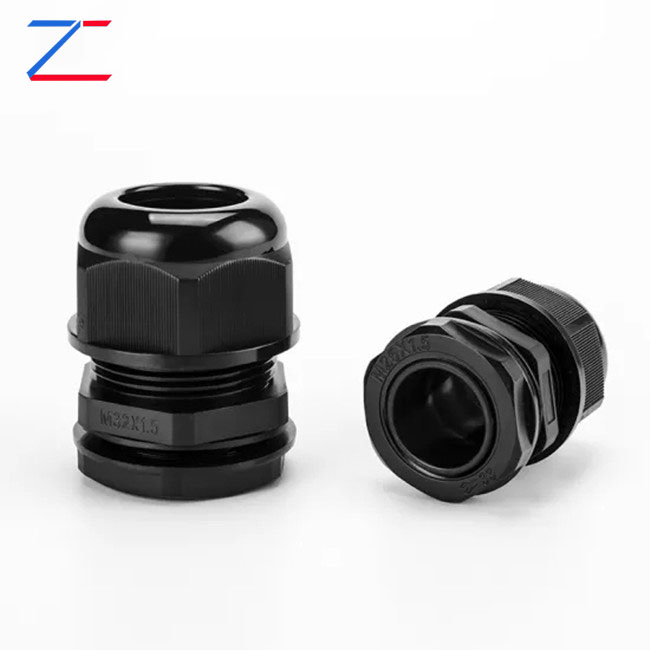
Nylon cable glands are essential components designed for terminating and securing electrical cables in various industrial, commercial, and outdoor environments. They are manufactured from high-quality PA66 nylon material, providing excellent mechanical strength, resistance to chemicals, and environmental durability. Nylon cable glands serve multiple functions, including strain relief, sealing against dust and moisture, and ensuring a safe connection between cables and enclosures.
The primary goal of this guide is to provide detailed insights into the selection, application, and technical parameters of nylon cable glands, offering industry professionals a clear roadmap to optimize electrical installations and maintenance procedures.
| Parameter | Specification |
|---|---|
| Material | PA66 Nylon |
| Ingress Protection | IP68 (waterproof and dustproof) |
| Temperature Range | -40°C to +100°C |
| Thread Type | Metric (M12-M63) |
| Cable Diameter Range | 3mm to 40mm |
| Color | Natural, Black, Grey |
| Flame Retardant | UL94 V-2 |
| Certification | CE, RoHS, UL |
Nylon cable glands come in several types tailored to specific industrial applications:
Applications span across power distribution systems, industrial automation, marine electrical systems, telecommunications, and outdoor signaling systems.
Selecting the correct nylon cable gland involves several key considerations:
The cable gland must match the cable diameter to ensure optimal sealing and mechanical performance. Oversized or undersized glands may compromise environmental protection.
Consider exposure to water, dust, chemicals, and temperature variations. IP-rated nylon cable glands offer reliable protection in harsh environments.
Select the proper thread standard (metric or PG) to ensure secure mounting on enclosures and equipment.
Check CE, RoHS, UL, and other relevant certifications to ensure safety and regulatory compliance.
EMC, Ex-proof, and flame-retardant features may be required in specialized industrial applications.
Q1: How does a nylon cable gland protect cables from environmental damage?
A1: Nylon cable glands provide mechanical sealing and strain relief, preventing dust, water, and other contaminants from entering electrical enclosures. IP68-rated glands ensure full protection even in submerged or high-humidity conditions.
Q2: How to determine the correct cable gland size?
A2: Measure the outer diameter of the cable and select a gland that fits within the recommended diameter range specified by the manufacturer. This ensures proper sealing, strain relief, and long-term reliability.
Q3: Can nylon cable glands be used in explosive or hazardous environments?
A3: Standard nylon glands are not suitable for hazardous areas. Explosion-proof (Ex) certified nylon glands must be used in environments with flammable gases or dust to comply with safety regulations.
Q4: How to maintain and inspect nylon cable glands?
A4: Regular inspection is necessary to check for cracking, discoloration, or loosening. Re-tighten or replace damaged glands to maintain electrical safety and environmental protection.
In conclusion, selecting the appropriate nylon cable gland requires careful consideration of cable size, environmental conditions, thread compatibility, and application-specific requirements. High-quality nylon cable glands, such as those offered by Zhechi, provide reliable protection, durability, and compliance with international safety standards.
For further inquiries or to explore Zhechi’s full range of nylon cable glands, contact us today. Our experts are ready to provide tailored solutions for your industrial or commercial installations.