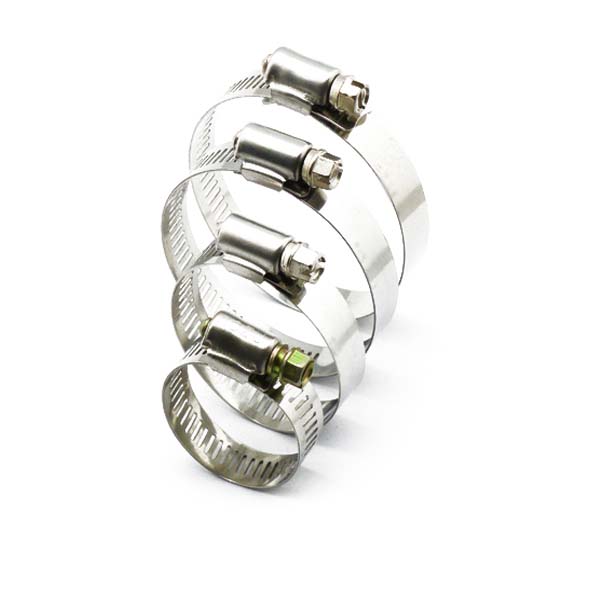
Stainless Steel Tie Band is widely recognized as one of the most reliable fastening solutions in modern industrial, electrical, and construction environments. Thanks to its superior strength, corrosion resistance, and long service life, it has become a preferred alternative to plastic cable ties and traditional fastening methods. This article provides a comprehensive, professional, and practical guide to stainless steel tie bands, helping engineers, procurement managers, and contractors make informed decisions.

This blog offers a complete overview of stainless steel tie bands, covering their definitions, materials, performance characteristics, advantages and disadvantages, real-world applications, and selection tips. Produced with SEO best practices in mind, it also includes FAQs, comparison tables, keyword expansion, anchor text references, and expert insights from Wenzhou Zhechi Electric Co., Ltd., a trusted manufacturer in the electrical accessories industry.
A stainless steel tie band, also known as a stainless steel banding strap or metal cable tie, is a fastening product made primarily from grades such as 304, 316, or 201 stainless steel. It is designed to bundle, secure, or fasten cables, pipes, hoses, signage, or structural components in demanding environments.
Unlike nylon cable ties, stainless steel tie bands maintain performance under extreme temperatures, UV exposure, chemicals, and mechanical stress. Companies such as Wenzhou Zhechi Electric Co., Ltd. specialize in producing high-quality tie bands that meet international standards for industrial reliability.
Many industries are transitioning from plastic fastening solutions to stainless steel tie bands due to performance and safety requirements. The difference becomes especially evident in outdoor, marine, and high-temperature applications.
| Feature | Stainless Steel Tie Band | Plastic Cable Tie |
|---|---|---|
| Temperature Resistance | Up to 538°C | Typically below 85°C |
| Corrosion Resistance | Excellent | Poor to moderate |
| UV Resistance | Excellent | Limited |
| Tensile Strength | Very High | Medium |
| Service Life | 10–20 years | 1–3 years |
Stainless steel tie bands come in multiple designs to suit different applications. Common expanded keyword variations include:
Manufacturers like Wenzhou Zhechi Electric Co., Ltd. offer customizable sizes, thicknesses, and surface treatments to match global project requirements.
The manufacturing process typically includes stainless steel strip selection, precision stamping, forming, deburring, and surface finishing. Quality control ensures uniform tensile strength, smooth edges, and reliable locking mechanisms.
Advanced production lines at Wenzhou Zhechi Electric Co., Ltd. enable consistent quality while supporting large-scale international supply.
Despite minor drawbacks, the lifecycle cost of stainless steel tie bands is often lower due to reduced replacement frequency.
Stainless steel tie bands are widely applied across industries:
For related fastening solutions, you may also explore stainless steel cable ties as a complementary product category.
Selecting the correct stainless steel tie band depends on several factors:
Professional guidance from manufacturers such as Wenzhou Zhechi Electric Co., Ltd. can significantly reduce procurement risks.
Q: What makes stainless steel tie band suitable for outdoor use?
A: Stainless steel tie bands resist UV radiation, moisture, corrosion, and temperature fluctuations, ensuring stable performance in outdoor and marine environments.
Q: Which stainless steel grade is best for tie bands?
A: Grade 304 is suitable for general use, while 316 stainless steel tie bands are preferred for marine or chemical environments due to superior corrosion resistance.
Q: Can stainless steel tie bands be reused?
A: Most stainless steel tie bands are designed for permanent fastening and are not reusable once locked, ensuring maximum safety and stability.
Q: Are stainless steel tie bands environmentally friendly?
A: Yes, stainless steel is recyclable and has a longer lifespan, reducing waste compared to disposable plastic ties.
Q: How do I install a stainless steel tie band correctly?
A: Installation typically requires a tensioning and cutting tool to achieve proper tightness without damaging the band or secured object.
Stainless steel tie bands offer unmatched durability, safety, and reliability for critical fastening applications. Whether used in electrical systems, industrial pipelines, or outdoor infrastructure, they provide long-term value that outweighs initial costs. Backed by professional manufacturing expertise, Wenzhou Zhechi Electric Co., Ltd. continues to deliver high-performance stainless steel tie band solutions to global markets.