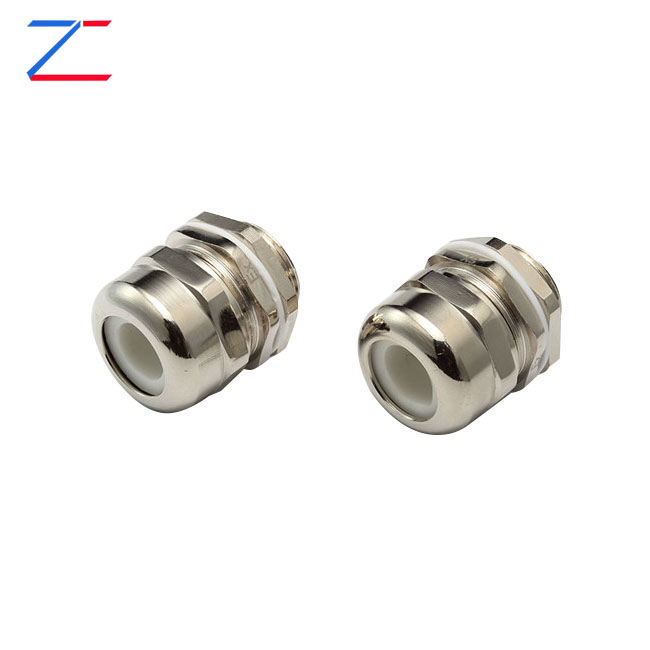
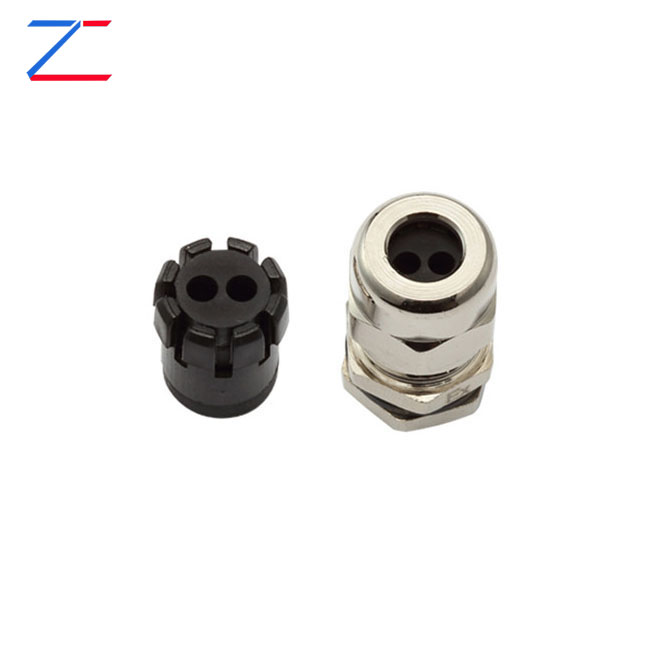
In modern electrical installations, the demand for reliable and durable components is higher than ever. Heat-resistant cable glands play a pivotal role in protecting cables and ensuring safety in high-temperature environments. This article explores the significance, applications, materials, and selection criteria for heat-resistant cable glands, helping engineers, procurement specialists, and maintenance professionals make informed decisions.
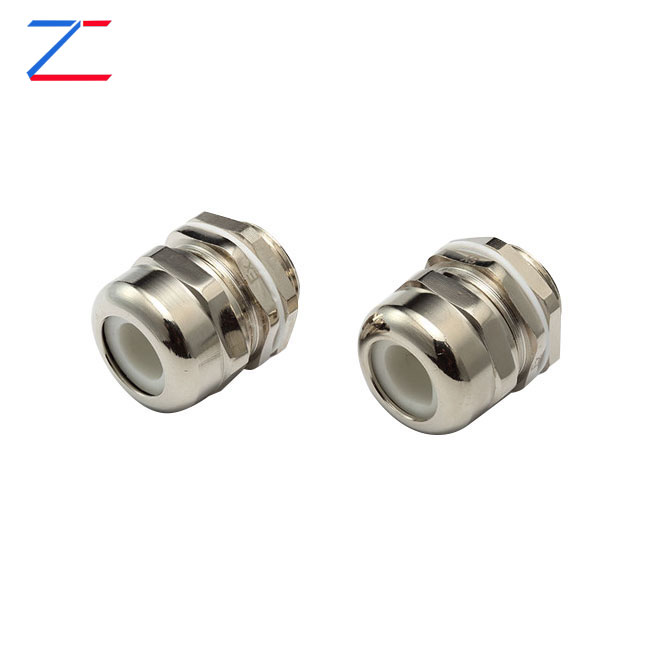
Table of Contents
Introduction to Heat-Resistant Cable Glands
Heat-resistant cable glands are specialized devices designed to securely terminate and protect cables in environments with elevated temperatures. Unlike standard cable glands, these are engineered to withstand extreme heat, chemical exposure, and mechanical stress, making them indispensable in power plants, chemical factories, and industrial machinery setups.
Core Functions:
-
Secure cable entry and prevent slippage
-
Maintain electrical insulation
-
Protect against dust, moisture, and heat
-
Comply with safety and industry standards
Popular Standards:
-
IEC 62444 – Cable gland specifications
-
IP66/IP68 – Dust and water ingress protection
-
UL 514B – Safety for electrical fittings
Applications in Various Industries
Heat-resistant cable glands are essential wherever cables are exposed to high temperatures or hazardous conditions. Some key industries include:
-
Power Generation: Thermal and nuclear power plants require glands that tolerate temperatures up to 250°C without deformation.
-
Chemical Industry: Resistance to chemical fumes and heat is critical for process safety.
-
Oil & Gas: Offshore platforms and refineries operate under extreme heat and corrosive environments.
-
Manufacturing: Heavy machinery, furnaces, and kilns demand durable cable terminations.
-
Transportation: Automotive and railway systems where engine heat or friction can affect cable integrity.
Materials and Design Considerations
The performance of heat-resistant cable glands depends heavily on the materials used and their design.
Common Materials:
|
Material
|
Temperature Range
|
Key Features
|
|
Stainless Steel
|
-50°C to 400°C
|
Corrosion-resistant, durable, suitable for harsh environments
|
|
Nickel-Plated Brass
|
-40°C to 200°C
|
Strong, resistant to mechanical stress, cost-effective
|
|
High-Temperature Nylon
|
-40°C to 150°C
|
Lightweight, flexible, suitable for moderate heat applications
|
|
Silicone Seals
|
-60°C to 250°C
|
Excellent thermal and chemical resistance
|
Design Considerations:
-
Cable diameter compatibility
-
Ingress protection (IP rating)
-
EMC grounding capabilities
-
Ease of installation and maintenance
-
Compliance with local and international safety standards
Key Benefits of Heat-Resistant Cable Glands
Investing in high-quality heat-resistant cable glands offers numerous advantages:
-
Enhanced Safety: Prevents electrical hazards caused by overheating or insulation failure.
-
Extended Cable Lifespan: Minimizes damage caused by high temperatures and chemical exposure.
-
Reliable Performance: Ensures stable connectivity in critical industrial applications.
-
Reduced Maintenance Costs: Durable materials reduce the frequency of replacements.
-
Regulatory Compliance: Meets industry safety standards, reducing legal and operational risks.
Installation Best Practices
Proper installation is crucial to maximize the performance of heat-resistant cable glands. Follow these best practices:
-
Verify the correct gland size for the cable diameter.
-
Check temperature ratings to ensure compatibility with the operating environment.
-
Use appropriate sealing compounds or washers where necessary.
-
Avoid over-tightening to prevent damage to the cable or gland threads.
-
Inspect regularly for signs of wear, corrosion, or deformation.
Heat-Resistant vs Standard Cable Glands
Understanding the differences between heat-resistant and standard cable glands can help determine the right choice for your application.
|
Feature
|
Heat-Resistant Cable Glands
|
Standard Cable Glands
|
|
Temperature Tolerance
|
Up to 400°C depending on material
|
Up to 105°C
|
|
Material Durability
|
Stainless steel, high-temp plastics, silicone seals
|
Plastic, brass
|
|
Application
|
High-heat industrial environments
|
General electrical installations
|
|
Cost
|
Higher upfront, long-term savings
|
Lower upfront, may require frequent replacement
|
|
Safety
|
High – protects against thermal and chemical hazards
|
Moderate – limited to standard conditions
|
Frequently Asked Questions
Q1: Can heat-resistant cable glands be used outdoors?
Yes, when selected with an appropriate IP rating (e.g., IP66/IP68), they are suitable for outdoor installations, including exposure to rain, dust, and sunlight.
Q2: What is the typical lifespan of a heat-resistant cable gland?
The lifespan depends on the material and operating conditions, but high-quality glands from Wenzhou Zhechi Electric Co., Ltd. can last over 10 years in industrial environments.
Q3: How do I choose the right heat-resistant cable gland for my application?
Consider cable diameter, operating temperature, environmental conditions, and compliance standards. Wenzhou Zhechi Electric Co., Ltd. offers expert guidance to help select the most suitable product.
Q4: Are heat-resistant cable glands compatible with armored cables?
Yes, specific models are designed to support armored or steel-wire braided cables, ensuring both mechanical stability and thermal protection.
For high-quality, reliable heat-resistant cable glands, Wenzhou Zhechi Electric Co., Ltd. provides an extensive range of solutions tailored to your industrial needs. Our products are trusted across power plants, chemical factories, and heavy machinery installations. Contact us today to discuss your requirements and receive expert recommendations.