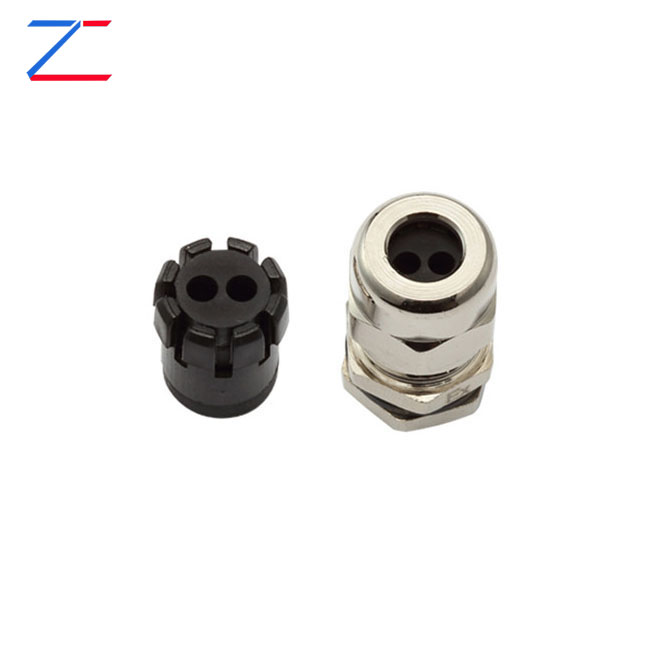
In modern electrical and industrial systems, cable management is more than simply routing wires from one point to another. Proper cable protection directly impacts safety, equipment longevity, operational efficiency, and maintenance costs. An Elbow Cable Gland is specifically designed to guide cables through a 90-degree angle while maintaining secure sealing, strain relief, and environmental protection. This article explores the features, applications, benefits, installation considerations, material selection, maintenance practices, and buying factors associated with elbow cable glands. Whether you are an engineer, contractor, facility manager, equipment manufacturer, or procurement specialist, understanding the role of elbow cable glands can help you make better decisions for your projects.

An Elbow Cable Gland is a specialized cable entry device designed to allow cables to pass through panels, junction boxes, control cabinets, and equipment enclosures while changing direction at approximately 90 degrees. Unlike conventional straight cable glands, elbow cable glands provide an angled pathway that helps reduce cable bending stress and optimize space utilization.
As industrial equipment becomes increasingly compact, engineers often face challenges related to cable routing. Limited installation space, crowded control panels, and demanding environmental conditions make traditional cable entry methods less effective. The elbow cable gland addresses these challenges by offering a practical solution that combines cable protection, sealing performance, and directional flexibility.
These cable glands are commonly used in automation systems, telecommunications equipment, renewable energy installations, transportation infrastructure, marine applications, and industrial machinery.
The primary function of an elbow cable gland is to secure and protect cables while redirecting their entry path. Once the cable passes through the gland, compression elements create a tight seal around the cable jacket. This prevents contaminants such as dust, water, moisture, chemicals, and debris from entering the enclosure.
At the same time, the gland provides mechanical strain relief. Instead of forcing the cable to bend sharply immediately after entering a panel, the elbow structure creates a smoother transition that reduces mechanical stress.
This design contributes to:
Although designs vary among manufacturers, most elbow cable glands contain the following components:
| Component | Function |
|---|---|
| Body | Main structural housing providing strength and support |
| Compression Nut | Tightens around the cable for secure retention |
| Seal Ring | Creates waterproof and dustproof protection |
| Lock Nut | Secures the gland to the enclosure |
| Elbow Section | Provides the 90-degree cable routing angle |
| Clamping Mechanism | Offers strain relief and cable retention |
Each component contributes to the overall performance of the cable gland, ensuring both environmental sealing and mechanical protection.
The popularity of elbow cable glands stems from several practical advantages.
Space Optimization
The angled design allows cables to be routed efficiently in confined spaces, reducing clutter and improving organization inside control cabinets.
Reduced Cable Stress
Sharp bends can damage cable conductors and insulation over time. Elbow cable glands provide a smoother transition that minimizes stress.
Enhanced Protection
High-quality sealing systems protect equipment from moisture, dust, and contaminants.
Improved Equipment Reliability
Protected cables experience fewer failures, resulting in lower maintenance costs and less downtime.
Professional Appearance
Organized cable routing improves overall installation aesthetics and simplifies future maintenance.
Elbow cable glands serve a wide range of industries due to their versatility.
| Industry | Typical Application |
|---|---|
| Industrial Automation | Control cabinets and PLC systems |
| Renewable Energy | Solar inverters and wind turbine systems |
| Marine | Shipboard electrical systems |
| Telecommunications | Outdoor communication cabinets |
| Rail Transportation | Signal control and power systems |
| Oil & Gas | Hazardous area equipment |
| Construction | Building electrical infrastructure |
| Data Centers | Cable management systems |
The ability to withstand harsh conditions makes elbow cable glands especially valuable in outdoor and industrial environments.
Material selection significantly impacts performance and durability.
Brass Elbow Cable Glands
Nickel-Plated Brass
Stainless Steel
Nylon (Polyamide)
Choosing the appropriate material depends on environmental conditions, mechanical requirements, and budget considerations.
Selecting the correct product requires careful evaluation of several factors.
A properly selected cable gland improves operational safety and reduces future replacement costs.
Proper installation is essential to maximize cable gland performance.
Incorrect installation can compromise waterproof performance and strain relief capabilities.
| Feature | Elbow Cable Gland | Straight Cable Gland |
|---|---|---|
| Direction Change | 90 Degrees | Straight Entry |
| Space Efficiency | Excellent | Moderate |
| Cable Stress Reduction | High | Lower |
| Compact Installations | Ideal | Limited |
| Routing Flexibility | Superior | Basic |
For installations with limited space or directional cable routing requirements, elbow cable glands often provide the superior solution.
Problem: Water Ingress
Solution: Verify seal integrity and ensure proper tightening.
Problem: Cable Slippage
Solution: Check cable size compatibility and compression settings.
Problem: Corrosion
Solution: Select corrosion-resistant materials such as stainless steel.
Problem: Cracked Housing
Solution: Avoid over-tightening and use products rated for environmental conditions.
Problem: Insufficient Space
Solution: Use compact elbow cable gland designs specifically developed for tight installations.
Routine maintenance helps extend service life and maintain system reliability.
Preventive maintenance is significantly less expensive than emergency repairs caused by cable failures.
As industries move toward greater automation and digitalization, cable management solutions continue to evolve.
Manufacturers are investing heavily in innovative cable protection products to meet increasingly demanding operational requirements.
Q1: What is the primary purpose of an elbow cable gland?
Its primary purpose is to securely route cables through a 90-degree angle while maintaining sealing, protection, and strain relief.
Q2: Are elbow cable glands waterproof?
Many models are designed with high IP ratings such as IP66, IP67, or IP68, providing excellent resistance to water and dust.
Q3: Which material is best for marine environments?
Stainless steel is generally preferred because of its superior corrosion resistance.
Q4: Can elbow cable glands be used outdoors?
Yes. Outdoor-rated products are specifically designed to withstand UV exposure, moisture, and temperature fluctuations.
Q5: How do I determine the correct gland size?
Measure the outer diameter of the cable and match it to the gland manufacturer's specified clamping range.
Q6: Are elbow cable glands suitable for industrial automation?
Absolutely. They are widely used in control panels, robotics, sensors, and industrial machinery.
Q7: How long do cable glands typically last?
Service life varies depending on material quality and environmental conditions, but high-quality cable glands can operate reliably for many years.
An Elbow Cable Gland is far more than a simple cable accessory. It serves as a critical component for cable protection, strain relief, environmental sealing, and efficient cable routing. From industrial automation and renewable energy systems to marine installations and telecommunications infrastructure, elbow cable glands contribute significantly to system reliability and safety.
By selecting the appropriate material, size, sealing level, and installation method, organizations can improve equipment performance, reduce maintenance costs, and extend cable service life.
Wenzhou Zhechi Electric Co., Ltd. specializes in manufacturing reliable cable management and electrical connection solutions designed for demanding industrial applications. Our experienced team is committed to providing durable products, professional technical support, and customized solutions tailored to your project requirements.
Contact us today to learn more about our Elbow Cable Gland solutions, request a quotation, or discuss your specific application needs. We are ready to help you build safer, more efficient, and more reliable electrical systems.