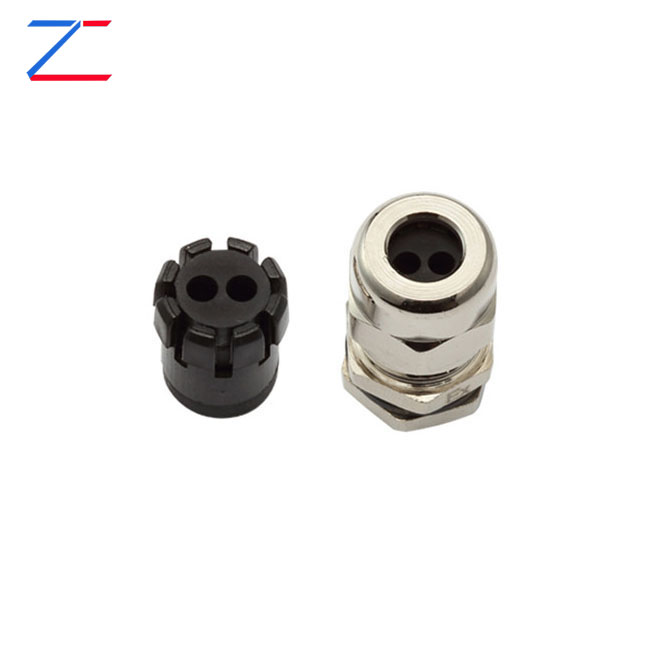
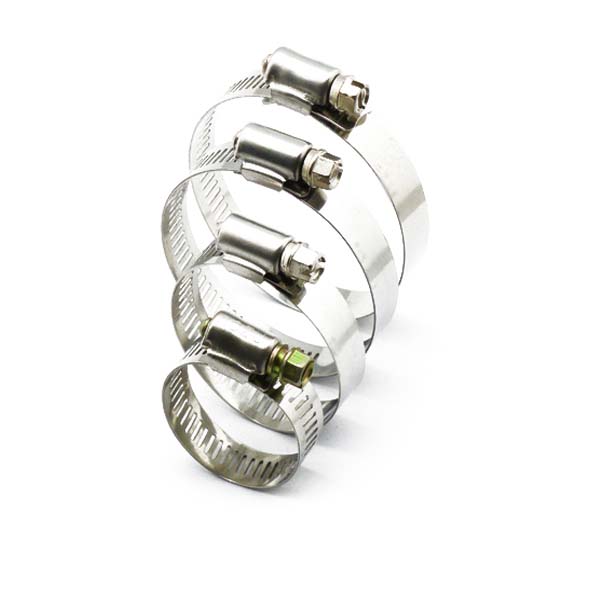
As industrial environments become more complex, the demand for structured cable protection solutions continues to grow. Corrugated Pipe Fittings are increasingly used in applications where flexibility, durability, and environmental resistance are required. Their compatibility with corrugated tubing systems makes them a key part of modern electrical and mechanical installations, ensuring that cable pathways remain organized and protected under varying operational conditions.
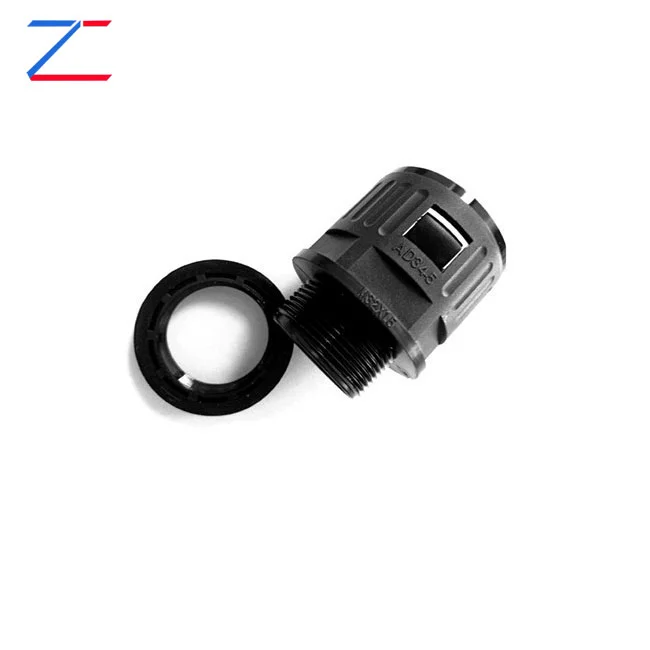
The development of modern infrastructure has placed greater emphasis on safe and efficient cable management systems. Electrical networks, mechanical assemblies, and automated production lines all require stable routing solutions that can withstand vibration, pressure, and environmental exposure. In this context, protective conduit accessories have become essential components in system design.
Across multiple industries, engineers are focusing on improving installation efficiency and long-term reliability. The integration of structured fastening and protective systems helps reduce maintenance complexity and enhances operational stability. As a result, demand for advanced cable protection components continues to rise steadily across global markets.
Modern engineering systems require precise coordination between cables, conduits, and protective accessories. Proper integration ensures that wiring remains stable even in high-movement or high-vibration environments. Within these systems, Corrugated Pipe Fittings provide a secure connection between tubing sections, allowing for consistent alignment and improved mechanical protection. Their design supports smooth installation processes while maintaining structural integrity in demanding applications.
These components are particularly valuable in environments where flexibility and adaptability are essential. By supporting stable conduit connections, they help reduce stress on internal wiring and improve overall system durability. This makes them an important part of industrial cable management strategies across multiple sectors.
Material selection is a critical factor in determining the performance and longevity of cable protection systems. High-quality polymers and engineered plastics are commonly used to manufacture fittings that must endure mechanical stress, temperature variations, and environmental exposure. These materials provide a balance of flexibility and strength, ensuring reliable performance over extended operational periods.
In many industrial applications, resistance to wear and deformation is essential. Protective components must maintain their shape and function even under continuous pressure or movement. This requirement has led to the development of advanced molding techniques and improved material formulations that enhance durability and installation consistency.
Industrial environments vary significantly, ranging from controlled indoor systems to harsh outdoor conditions. Components used in these environments must be able to perform reliably regardless of external factors. Moisture resistance, temperature stability, and mechanical resilience are all important characteristics that contribute to long-term system reliability.
Protective conduit systems that incorporate Corrugated Pipe Fittings are designed to meet these challenges by maintaining secure connections and preventing disassembly under stress. This ensures that cable systems remain protected and operational even in demanding conditions.
Mechanical stability is essential in any structured wiring system. Vibrations, movement, and external pressure can all affect the integrity of cable routing if not properly managed. Secure fitting components help distribute mechanical loads evenly across the system, reducing the risk of localized stress points.
By improving structural balance, these components contribute to safer and more reliable installations. This is particularly important in automated machinery, transport systems, and industrial production environments where continuous operation is required.
Efficient installation processes are a key focus in modern engineering projects. Reducing assembly time while maintaining high safety standards is a priority for system designers. Structured cable protection systems are designed to simplify installation workflows and ensure consistent results across different application scenarios.
Standardized connection methods and modular designs allow for faster assembly and easier system expansion. This flexibility supports both small-scale installations and large industrial projects, making cable protection systems adaptable to a wide range of requirements.
Consistency in installation is essential for maintaining long-term system performance. When components are designed with standardized specifications, they help reduce variability during assembly. This improves overall system reliability and ensures that protective structures perform as expected over time.
In complex wiring systems, maintaining uniformity across all connection points is critical. It reduces the likelihood of mechanical failure and supports easier inspection and maintenance procedures.
| Structural Reliability | Maintains stable connection across conduit systems under varying conditions |
| Material Performance | Supports durability and flexibility in demanding environments |
| Installation Efficiency | Designed for simplified assembly and consistent system integration |
| Environmental Resistance | Performs reliably under exposure to moisture, vibration, and temperature variation |
| System Compatibility | Adaptable to diverse industrial wiring and protective applications |
Cable protection systems are widely used across industries such as automation, mechanical engineering, electrical distribution, and communication infrastructure. Each application requires specific performance characteristics to ensure safe and efficient operation.
In automated production environments, structured wiring systems help maintain operational stability and reduce downtime risks. In electrical infrastructure projects, they ensure safe routing and protection of critical wiring systems. Across all these applications, protective conduit accessories play a key role in maintaining system integrity.
Corrugated Pipe Fittings are especially important in these environments due to their ability to maintain secure conduit connections while supporting flexible routing configurations. Their use contributes to improved system organization and long-term operational reliability.
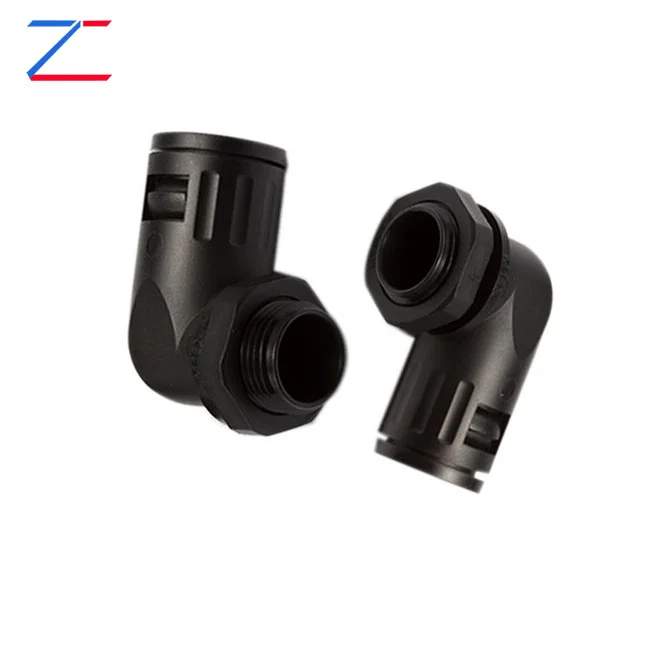
High-quality manufacturing processes are essential for ensuring consistent product performance. Technical standards guide the production of cable protection components, ensuring that they meet industry expectations for durability, safety, and reliability. Strict quality control measures are applied throughout the production cycle to maintain uniformity and performance stability.
Testing procedures often evaluate mechanical strength, environmental resistance, and long-term durability. These evaluations help ensure that components perform effectively under real-world conditions and meet the requirements of diverse industrial applications.
The future of cable protection systems is closely linked to advancements in industrial automation and smart infrastructure development. As systems become more interconnected and complex, the need for reliable and adaptable protective solutions will continue to increase.
Innovation in material science and structural design is expected to drive further improvements in performance and efficiency. Lightweight materials, enhanced durability, and improved installation methods will shape the next generation of cable protection solutions.
Sustainability and efficiency will also play a significant role in future development. Manufacturers are increasingly focused on creating solutions that reduce resource consumption while maintaining high performance standards across industrial applications.
In conclusion, Corrugated Pipe Fittings are essential components in modern cable protection systems, supporting secure connections, stable routing, and long-term durability across a wide range of industrial applications. Their role in improving installation efficiency and system reliability makes them a critical part of contemporary engineering solutions.
ZHECHI (ZC), established in the professional manufacturing of cable glands, cable ties, terminal blocks, and cable accessories, continues to strengthen its position in the global industrial market. With a strong focus on quality, service, and technical excellence, the company delivers reliable solutions that meet diverse engineering requirements. Through continuous improvement and commitment to customer satisfaction, ZHECHI (ZC) supports the development of efficient and durable cable management systems worldwide.