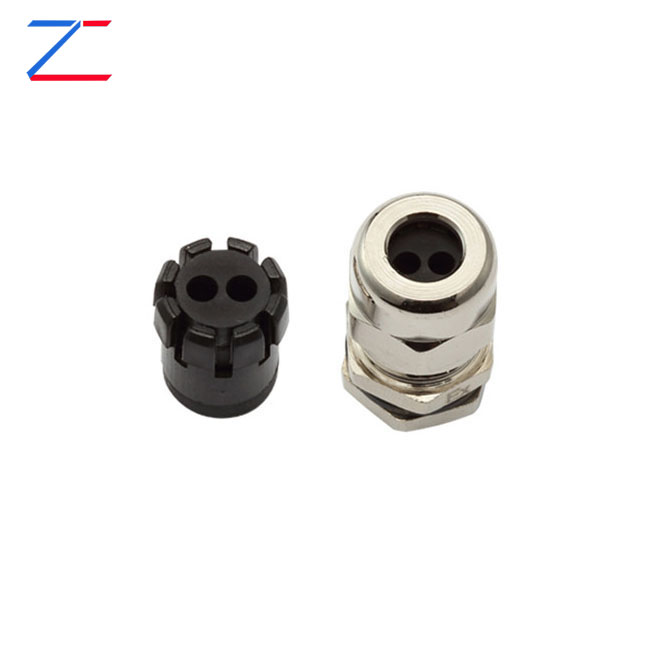
Brass cable gland metric series products play a crucial role in modern electrical and industrial systems by ensuring secure cable connections, environmental protection, and long-term reliability. This comprehensive guide explores their structure, benefits, applications, and how to select the right type. Whether you are an engineer, distributor, or procurement specialist, this article will help you make informed decisions while addressing common pain points such as durability, sealing performance, and installation efficiency.

A brass cable gland metric series is a mechanical cable entry device designed to attach and secure the end of an electrical cable to equipment. It provides strain relief, environmental sealing, and grounding continuity. The "metric series" refers to standardized thread sizes (e.g., M12, M20, M25), ensuring compatibility with international systems.
These glands are widely used in electrical panels, automation systems, and industrial machinery where cable protection and reliability are essential.
Brass is widely chosen due to its excellent combination of strength, corrosion resistance, and conductivity. Compared to plastic or aluminum alternatives, brass offers superior performance in demanding environments.
Nickel-plated brass variants further enhance durability and resistance to chemical exposure.
Understanding the technical advantages helps buyers evaluate product quality and suitability.
These features make brass cable gland metric series products indispensable in critical installations.
Many users encounter challenges when selecting or using cable glands. Below are common issues and solutions:
| Pain Point | Cause | Solution |
|---|---|---|
| Water leakage | Poor sealing or wrong size | Choose IP68-rated glands with correct clamping range |
| Loose cables | Improper installation | Follow torque specifications |
| Corrosion damage | Harsh environment | Use nickel-plated brass glands |
| Electrical interference | Lack of shielding | Use EMC cable glands |
Brass cable gland metric series products are widely used across multiple sectors:
Their versatility makes them a universal solution for cable management.
Selecting the correct cable gland requires attention to several factors:
Choosing the wrong gland can lead to performance issues and safety risks, so careful evaluation is essential.
Proper installation ensures optimal performance:
Always follow manufacturer guidelines to avoid installation errors.
| Material | Durability | Corrosion Resistance | Cost | Best Use Case |
|---|---|---|---|---|
| Brass | High | Excellent | Medium | Industrial & outdoor |
| Plastic | Medium | Good | Low | Indoor applications |
| Aluminum | Medium | Moderate | Medium | Lightweight setups |
To maximize the lifespan of your cable glands:
Proper maintenance reduces downtime and enhances safety.
Q1: What does IP68 mean for cable glands?
A: It indicates complete protection against dust and long-term water immersion.
Q2: Can brass cable glands be used outdoors?
A: Yes, especially nickel-plated versions, which resist corrosion and weather conditions.
Q3: How do I know the correct size?
A: Measure the cable diameter and match it with the gland's clamping range.
Q4: Are metric cable glands globally compatible?
A: Yes, metric threads are widely accepted internationally.
Q5: Do I need EMC cable glands?
A: If your system is sensitive to electromagnetic interference, EMC glands are recommended.
The brass cable gland metric series is a reliable and versatile solution for securing and protecting cables in various industries. Its durability, sealing performance, and adaptability make it an essential component in modern electrical systems.
For high-quality solutions, Wenzhou Zhechi Electric Co., Ltd. offers a wide range of precision-engineered cable glands designed to meet global standards and demanding applications.
Looking for the right cable gland solution? Contact us today to get expert guidance, customized options, and competitive pricing tailored to your project needs.